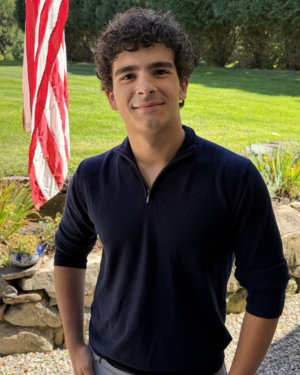
Growing up, I was always taught, “Mi familia es mi vida.” My family is my life.
Whether it was on bracelets we treasured like they were gold, conversations with familia back in Puerto Rico, or even little things like the lock screen on my dad’s phone, that message has been repeated so many times that it has just become part of who I am.
I grew up in a huge family, and I mean huge. I have more tías (aunts), tíos (uncles), and primos (cousins) than I can name. And being Puerto Rican, our flag is basically everywhere: on cars, walls, fridge magnets, shirts, hats, and honestly, anything we can put it on. Because of that, I never really questioned my culture or my pride in it.
But growing up on the U.S. mainland, one part was passed down differently: the language.
Like a lot of Hispanic and Latino kids, Spanish was around me, but I never became completely fluent. While I can get by, there have been moments where I wondered if that somehow made me less Hispanic or less connected to my culture.
As I got older, I realized language was only one part of it. A lot of kids grow up strongly connected to their culture without speaking the language fluently or fitting what people expect a Hispanic or Latino person to look or act like. I find it kind of crazy how often we are still judged by the same three things.
“Do you speak Spanish?”
“You don’t really look Hispanic.”
“But can you dance?”
OK, maybe that last one has some truth to it. But there is so much more to us than that.
We come from different countries, backgrounds, races, languages, and experiences. Some speak Spanish or Portuguese fluently. Some can understand the language but not speak it. Some speak Indigenous languages. Some speak only English. Some look exactly how people expect a Latino person to look, and some look nothing like that stereotype.
Even famous Latinas like Jennifer Lopez and Selena Gomez are not completely fluent in Spanish. Does that make them any less Latina? Of course not. Speaking only English does not erase someone’s family, traditions, history, or connection to their culture.
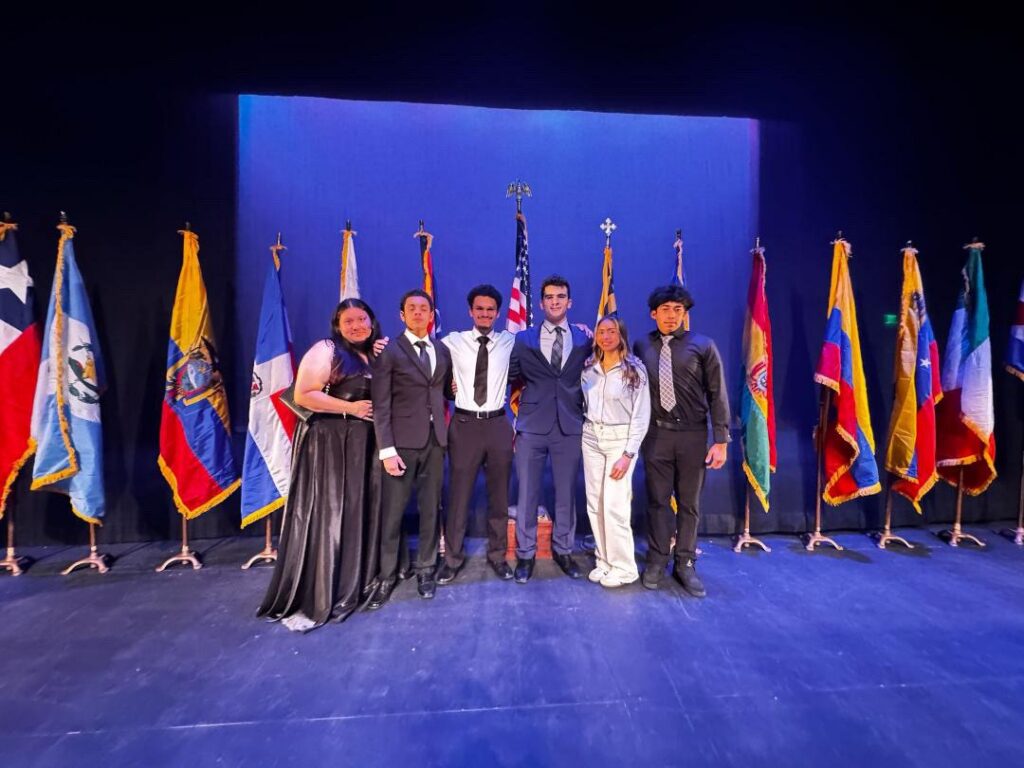
And honestly, what I love most about my culture has never been about checking those boxes anyway. It is the community.
Someone can meet your family one time and suddenly become part of our world. A titi is checking in on how they are doing, an abuela is making sure they are having a good time, and someone is making sure they have eaten.
Our connection to our culture may be what makes us part of the community, but our openness and diversity are what define us.
At my school, we celebrate that by showing just how vibrant our culture is. Whether it is Latino spirit weeks, Hispanic Heritage Month, or assemblies filled with singing, poetry, dancing, stunning quinceañera dresses, bright colors, and flags from all over, there is something special about seeing just how vast our community is.
Such occasions are times for remembrance, family, music, parties, food, and much more. They’re times to recognize those who came before us and celebrate what our communities continue to accomplish today. But most importantly, they’re chances to share what it truly means to be Hispanic or Latino, not by checking three boxes, but by recognizing just how many different people call this community home.
So yes, I may not fit every box.
But also yes, I am Latino. I am Hispanic. I am Boricua (of Puerto Rican descent).
And I am proud of it.