
The first days of school don’t begin in August or September; they begin with reflection. Before we can move forward, we have to understand where we’ve been. Here are five strategies that help me start each school year with purpose and optimism.
1. Reflect while the memories are fresh.
Within a week of last school year ending, one of my AP’s suggested we move our reflection time from July to the week right after school ended so our experiences were still vivid. It was sage advice. This year, I also borrowed an idea from author Mel Robbins: Review your calendar or photos and identify the year’s highest highs and lowest lows. That simple exercise sparked honest conversations and helped us sort our reflections into three categories: Start, Stop, and Continue.
From those discussions, we committed to conducting paired administrative observations each quarter, protecting our monthly faculty meetings rather than canceling them, and continuing to refine our advisory program so students connect with the adults who can best support them. Reflection isn’t about dwelling on the past; it’s about building a stronger future.
2. Focus on fewer priorities but do them well.
One of the quickest ways to overwhelm staff is by introducing too many new initiatives. Instead, we asked ourselves three simple questions: What should we improve? What should we strengthen? What should we begin?
This year, our primary focus remains on two initiatives we invested heavily in last year: Evidence-Based Grading and PBIS. Rather than constantly chasing the next big idea, we’re deepening the work we’ve already started. Sustainable improvement happens through consistency, not constant change.
3. Recharge before you lead others.
School leaders spend much of the year pouring into others. Summer provides an opportunity to refill our own cups.
This summer, my sisters and I gathered our entire family to celebrate my father’s 90th birthday with the theme, “90 Years of Faith, Family, and Fitness.” One of my nieces created a video of everyone sharing favorite memories of Dad, reminding us how meaningful shared experiences can be.
I also invested time in strengthening my faith. That intentional pause helped me release last year’s challenges and focus instead on the many triumphs. We cannot give our best to students and staff if we neglect ourselves. Before welcoming everyone back to school, make sure you’ve reconnected with the people who will still be cheering for you long after retirement.
4. Build buy-in before launching initiatives.
The best school improvement plans are developed with people, not for them.
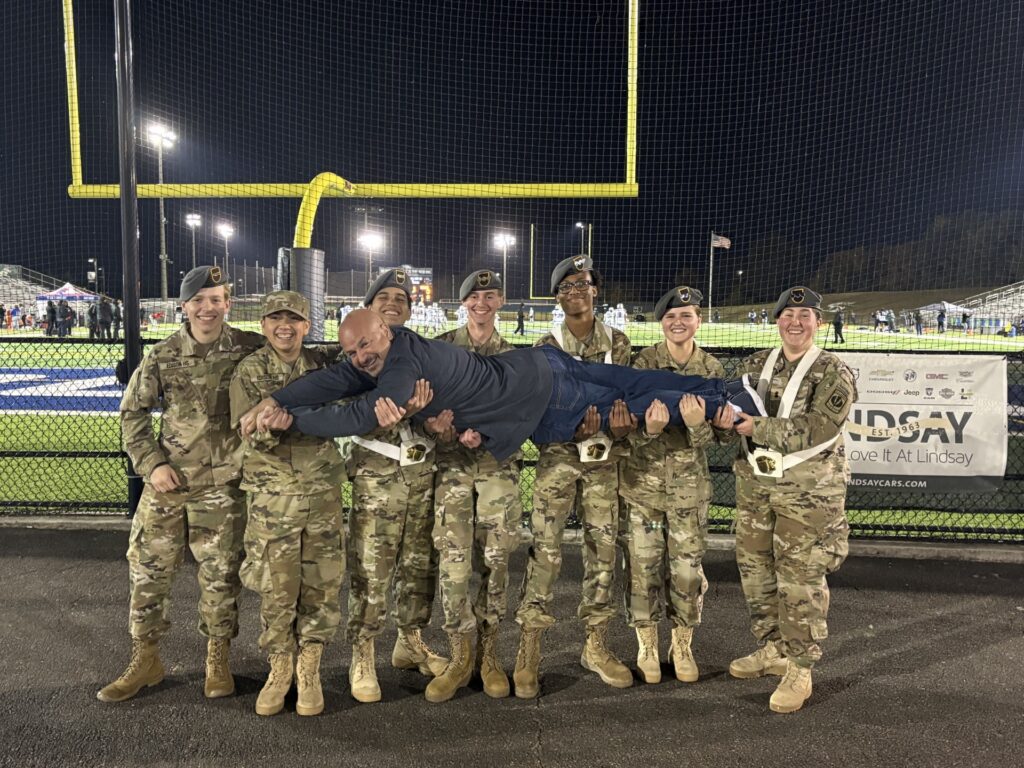
Before teachers returned, we met with our department chairs to review priorities and gather honest feedback about implementation. This year, we also brought together the staff and students who shape our school culture, including student leaders, our Student Government Association, Culture Champions, Equity Leaders, and Military-Connected student representatives. Their perspectives strengthened our plans and reminded us that ownership grows when people help create the vision.
5. Partner with parents from day one.
A strong school and a strong parent community are inseparable. Early each year, I meet with our PTSO Board to revisit our shared vision and mission before discussing budgets and priorities. Aligning resources with shared goals helps ensure we’re investing in the experiences that matter most for students. When schools and families move in the same direction, everyone graduates with flying colors.
As another school year begins, my advice is simple: Start with yourself, reflect honestly with your team, and invite multiple perspectives into the conversation. Celebrate your successes without ignoring your challenges, leave your ego at the door, and remember that every new school year offers a fresh opportunity to become just a little better than we were the year before.
